ex·per·tise {ek-sper-teez}
n. expert skill or knowledge; expertness; know-how: business expertise.
There are many benefits to hiring a professional for your photography needs. Whether it be on a personal or business need, having a professional photographer to take care of your photography needs will save time, money, and give you a great product/portrait to benefit your business or family. In the first of this 2 part blog post, I will discuss how hiring a professional will create lasting memories of your family for generations to enjoy. It’s not just the camera that makes the photographer a professional, it’s much, much more.
What is the future for the photographic industry? Maybe even more importantly, what is the future for a professional photographer? There are so many varying opinions on the subject from both the general public to the photography industry. There are questions like: Film vs. Digital? Jpeg vs. RAW? Manual vs. Automatic? Give away the digital files, sell the digital files, keep the digital files? Save them on the computer vs. make prints? I could go on and on. Are there any definite answers to these questions? No. But I can give you my 2 cents worth on the subject. The way we do things here at Artistic Impressions is what is right for us as a professional studio. Opinions and practices vary from studio to studio, from photographer to photographer.
Does owning Photoshop or Photoshop Elements make you a professional photographer? Does purchasing the latest camera make you a professional photographer? I think you can probably guess what my answer to that is. As long as you have a credit card, you can purchase the tools needed to get started in this industry, but you can’t buy an “artistic eye” or that “creative bone” in your body. You are born with it.
When I was in high school I discovered my passion and talent for photography. Lucky for me the best photography program in the country was a 10 minute drive from my house at Humber College of Applied Arts and Technology in Toronto Canada. (I was born and raised in Toronto and moved to Winnipeg in Dec. 1995 to open the studio with Grant) After submitting a portfolio, essay and attend and interview with the college, I was very fortunate to get one of 70 spots available for the program from over 700 applicants. The program at Humber was the best thing to happen to me and taught me everything that I needed to know to be a successful working professional photographer. It trained me in so many different aspects of the photographic industry from colour theory, the history of photography, film processing (Black & White, Colour and Transparency), darkroom printing (both Black & White and Colour from negative and positive films), shooting all different subjects and assignments, business management etc. It’s not too often that a photographer can photograph architectural interiors, babies, protraits, products, food etc. and do them all well. I have the training and know how. I didn’t just pick up a camera, read a book or watch a couple of webinars and say… “hey this is cool, maybe I will become a professional”. The two years that I spent at Humber were some of the most valuable and memorable years of my life. Attending college and achieving my diploma molded me into the professional photographer that I am today. Of course with the dawn of digital photography, I am constantly attending seminars to continue to build on my training as a photographer.
Digital photography has opened a whole new world that allows you to manipulate and enhance the image straight from the camera. Instead of manipulating the image in the “traditional darkroom” with the film processing or the printing process, we now do it in the “digital darkroom”…the computer. The computer however isn’t the only thing that creates the perfect image. It is the photographers vision, composition of the subjects, lighting, exposure, proper focal length of the lens, and shooting in the RAW format. Now I’m not going to get too technical, but here is quote from John Mitchell, a fellow professional photographer in Ontario, who explains the Jpeg vs RAW debate very well.
“J-peg vs. RAW
Oh, this argument has gone on for as long as I have known the word digital. Capturing a RAW image is a lot more work that capturing one in j-peg format, but I choose RAW and this is why:
Start with defining what each is. RAW is exactly what the work implies. It is the RAW information stored digitally with absolutely no processing or interpretation done to the information received. j-peg is a processed and compressed file. This means the camera program is making decisions about colour, contrast, saturation, and brightness just to name a few. That`s the processed part. It is also compressed and for the non-photographers that are reading this, let me quickly explain. As you know everything on a computer is in the form of a language, which I understand to be a mathematical formula. Now, for the purpose of explanation, say there are a hundred variations of a colour and we number them 1 – 100. When the information is received and translated into a j-peg file it is compressed. The program says I am taking everything from 1-9 and going to make it a one. I will take everything from 10 – 19 and make it a 2, 20 – 29 will be three, etc. and when you are done you have 1/10th of the information that was captured.”
Thank you John. I couldn’t have said it any better myself. And that is exactly why I shoot RAW files as well. As a photographer, I often have a clear picture, no pun intended :), on what the final image will be. I know how to manipulate the image in photoshop to get it to where I want it to be…a work of art. Artists, including photographers, have a vision. I don’t want an automatic camera, computer, program, or another person trying to interpret my artistic vision. I want to be the one to create it and assure that it is exactly as I wanted it when it comes back from the lab.
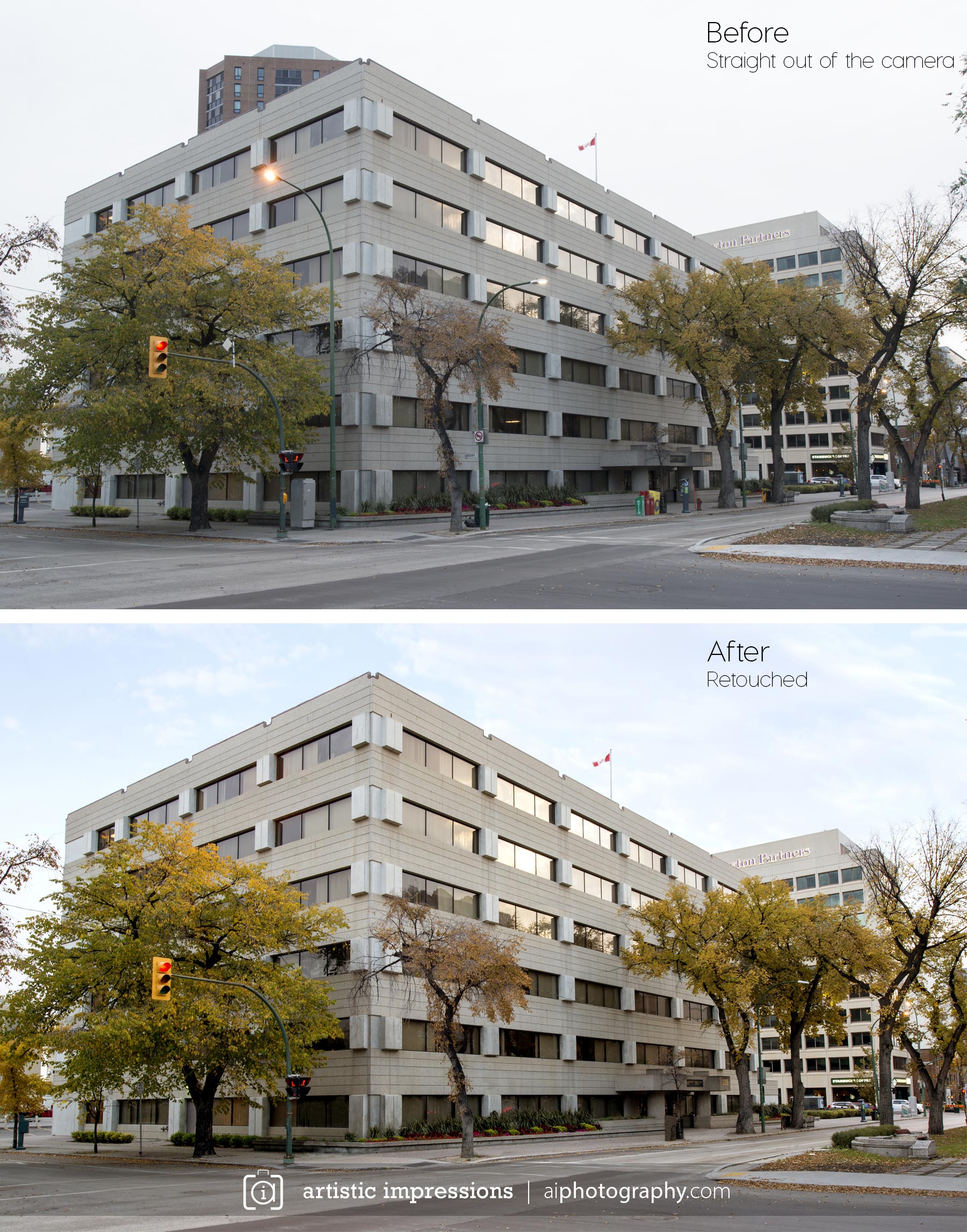
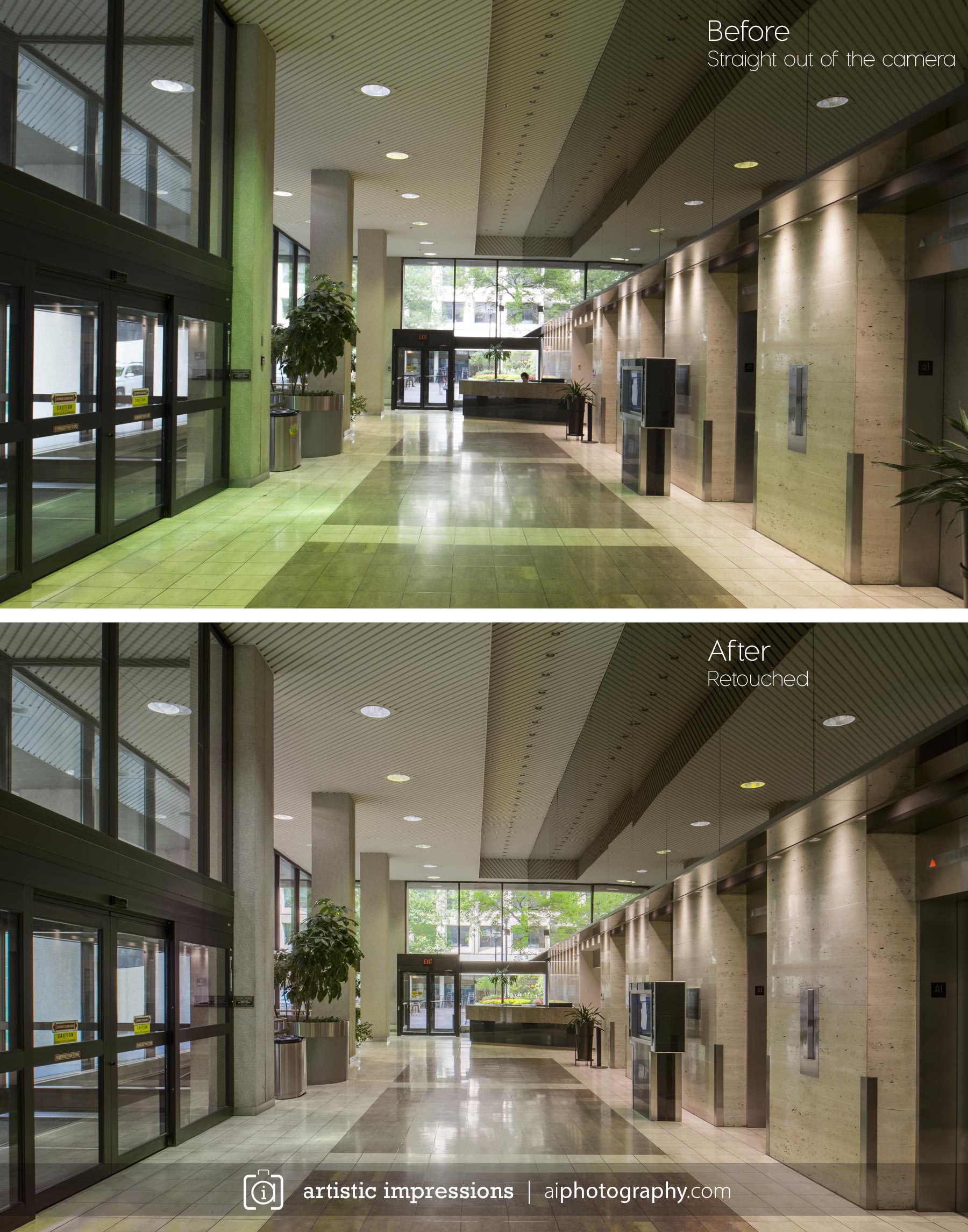
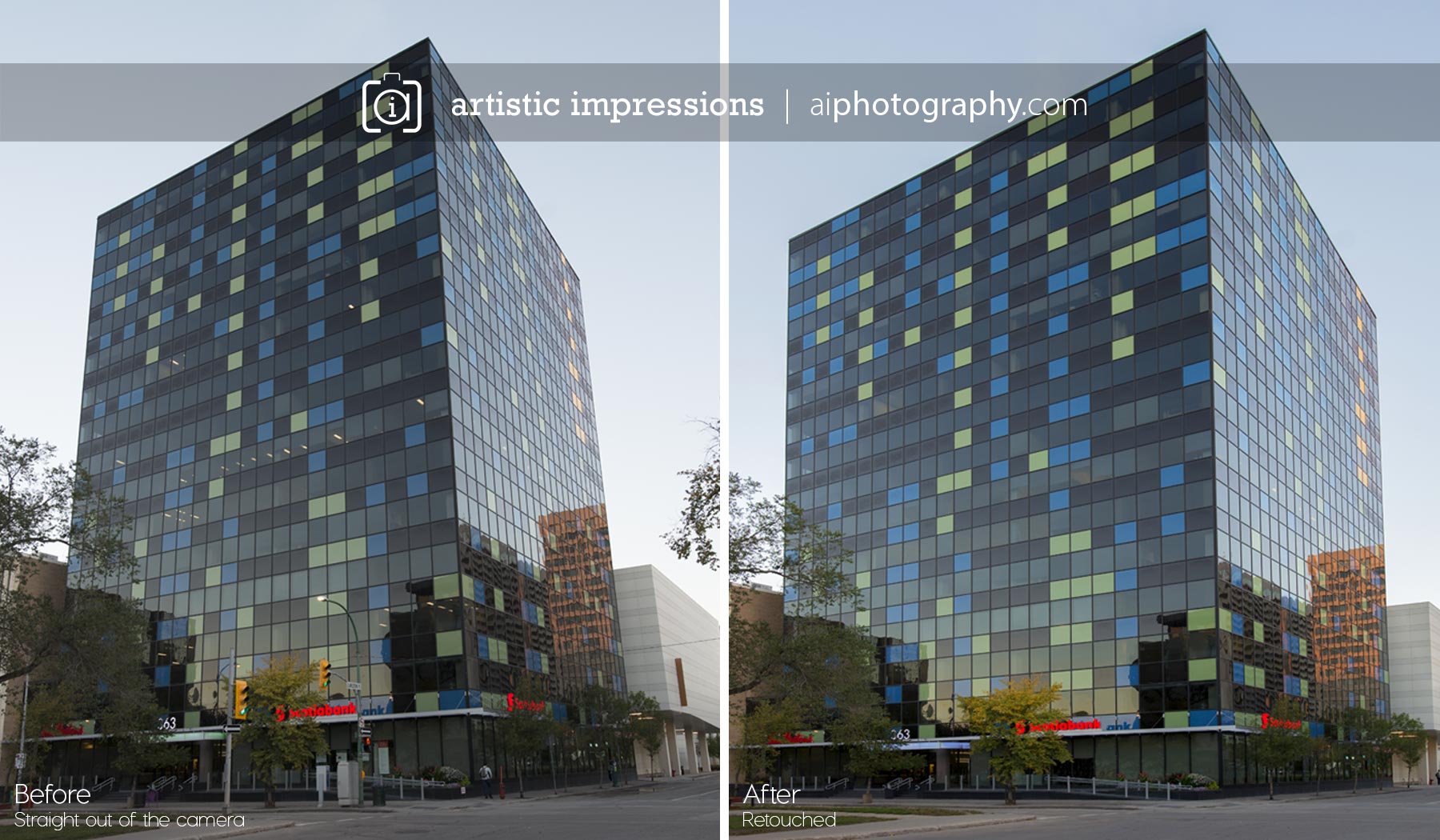
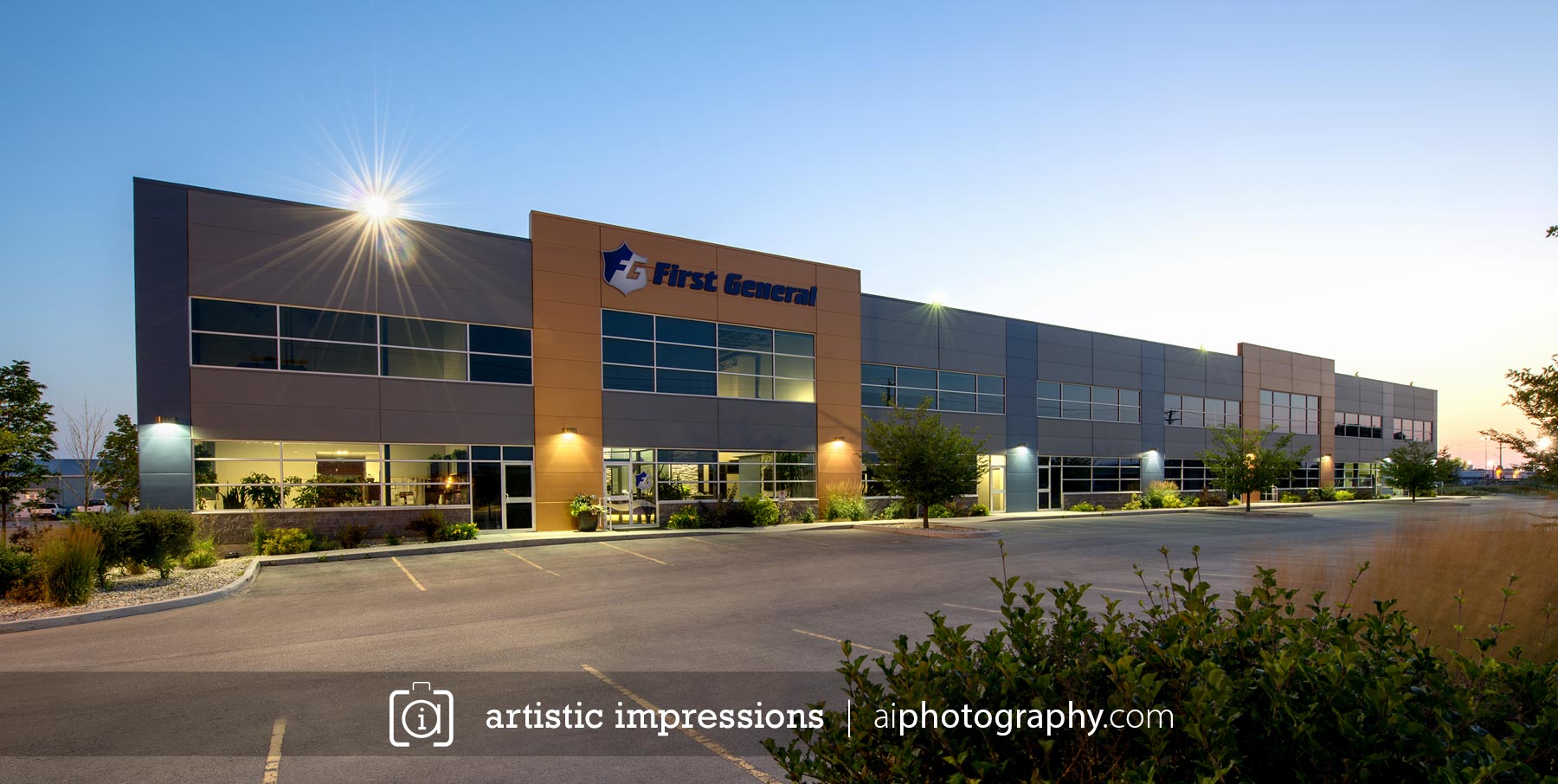
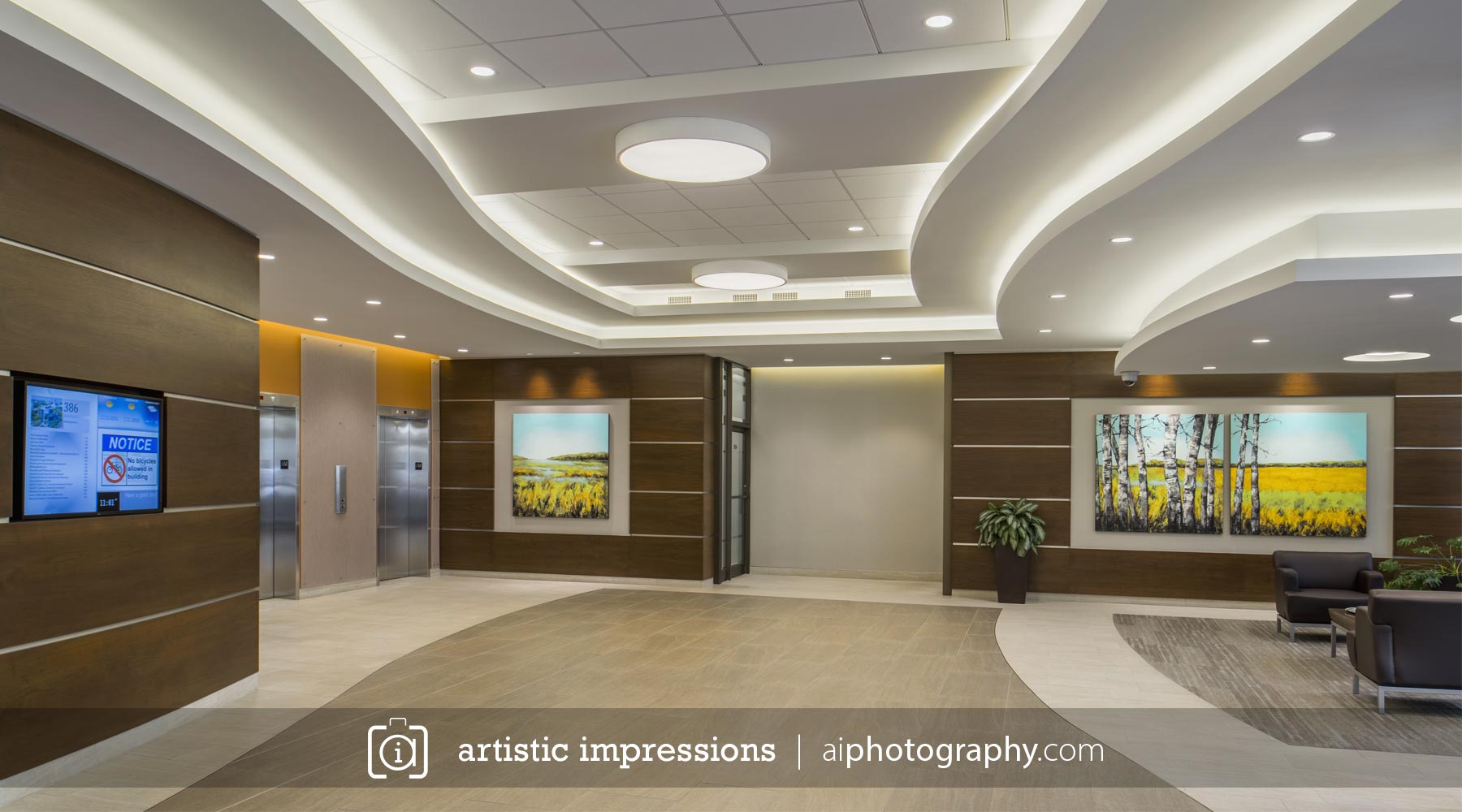
Here are some examples of images that have been enhanced. The first image is “straight out of the camera”…so no retouching, enhancements etc. The second is the cropped, retouched, manipulated & enhanced version. Some require just a little bit of tweaking, where others are heavily retouched to create the final image. Everything is “done by hand” per say. It’s not just a click of a button. I am actually applying multiple layers one at a time to create the final image. Enjoy!


We get asked from time to time if we sell our digital files. The answer is no. As a studio, we want to make sure that every image that leaves here is exactly as how I envisioned it. I don’t want the raw file to go to Costco to be printed and it look nothing like what our professional studio would produce. It’s our name attached to it and we are proud of that.
Part 2…hiring a professional photographer as a business.